Funding Goal
$6,000
Funding Creator
Daniel Jacob Chung, Jeongju Lee, Yoonhyuk Cho, Jonghwi Kim, Dongik Kwak
Funding Goal
$6,000
Funded
0%
Supporters
0
Here's a strange truth: even people who study climate change for a living, work at environmental NGOs, or teach sustainability don't reduce their own daily carbon footprint any more than the average person does.
The Visible Carbon Project (VCP) exists to answer one question: if knowledge alone doesn't change behavior, what does? Our answer is psychological ownership — the felt sense that “this carbon is mine to change.”
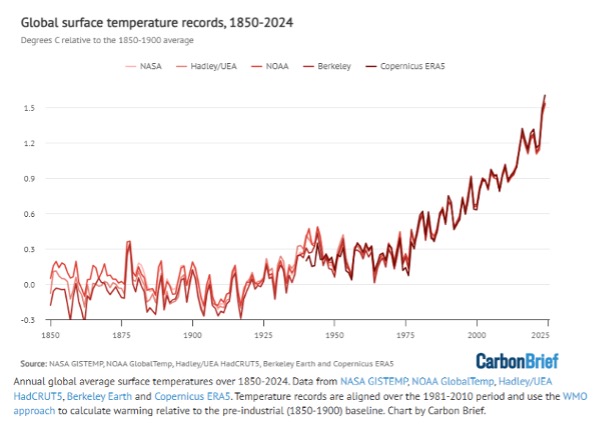
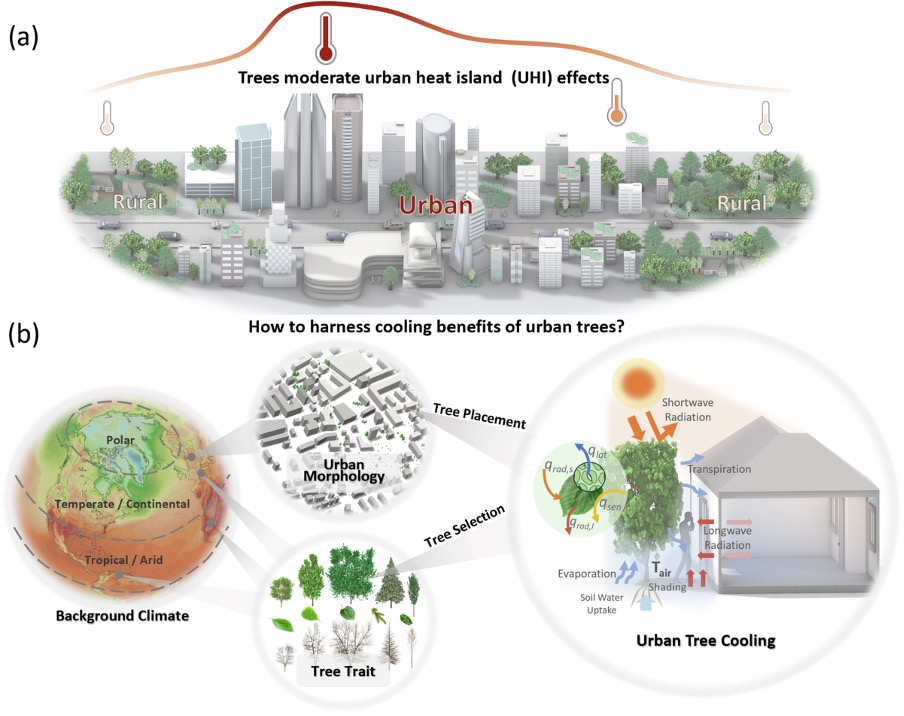
Awareness has never been higher. In Korea, national surveys show the vast majority of citizens rank climate change as a top environmental concern, and most report real anxiety about it. Yet when asked how to act, more than half say they simply don't know concrete steps to take.
Governments declare carbon-neutrality targets. Companies publish ESG reports. Schools expand environmental curricula. Even large cash-incentive programs for low-carbon behavior have reached only a small fraction of the adult population. Every lever has been pulled except one: the psychological design of the experience itself.
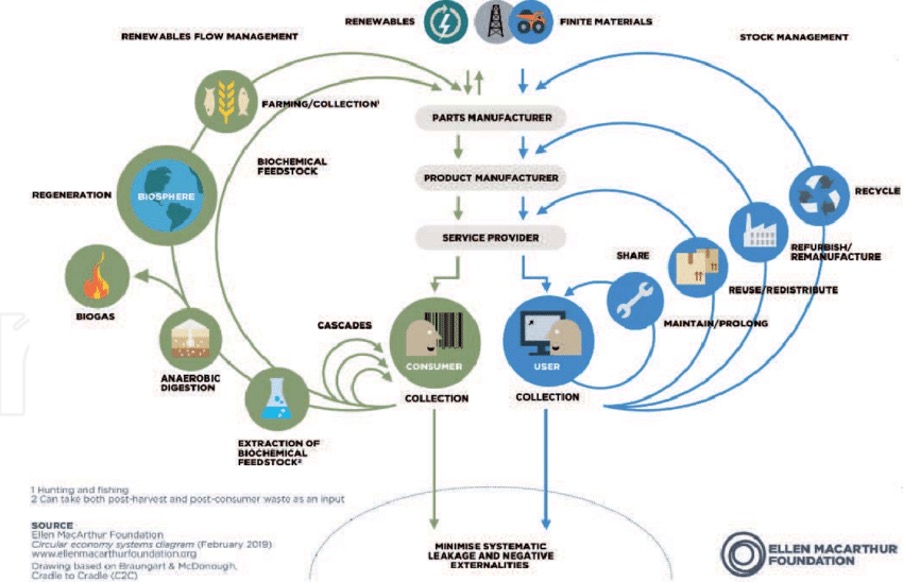
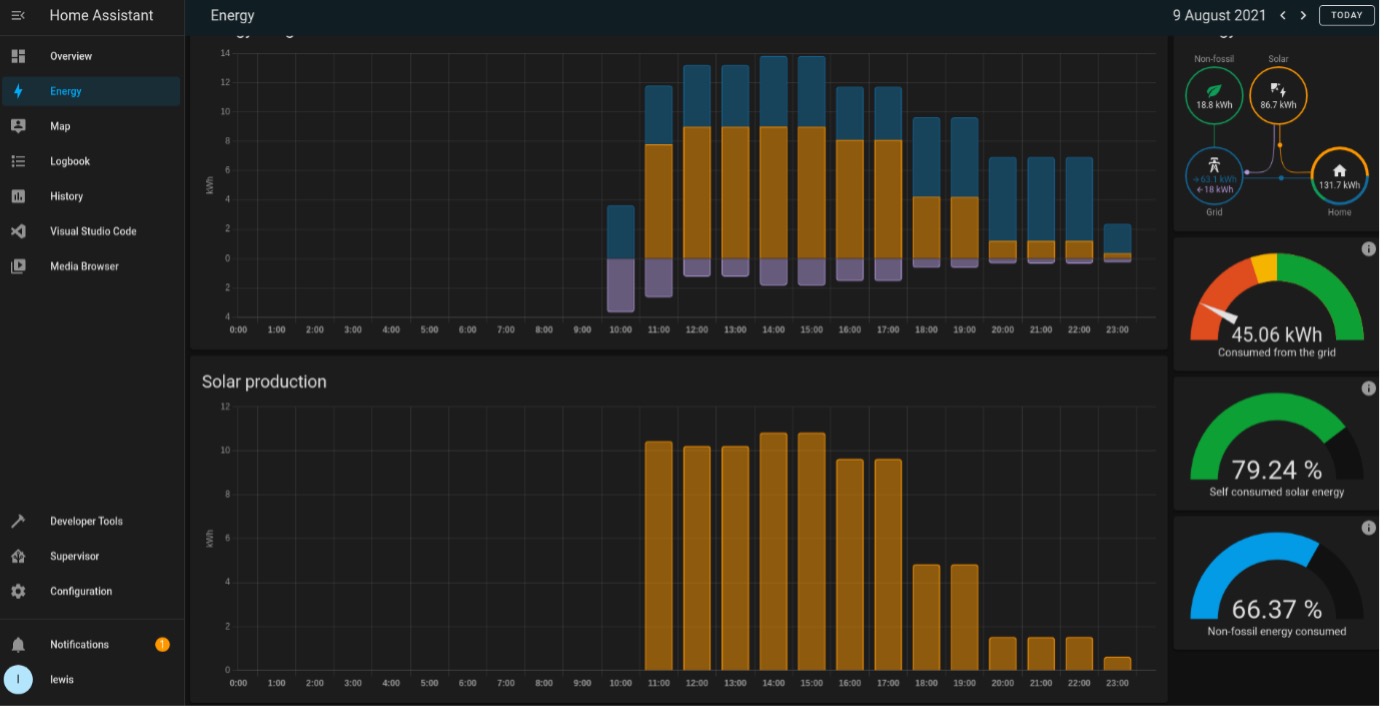
We believe this is not a willpower problem — it's a design problem. When people can see their carbon footprint change in real time, and feel that their personal choices meaningfully move the number, they develop psychological ownership over the outcome. That ownership, not extra information, is what drives sustained behavior change.
We further hypothesize that people who understand climate issues most deeply may carry an unspoken cognitive dissonance between what they know and how they live — and that surfacing this gap through visualization could produce faster, stronger behavior change than in the general public, though it may also trigger avoidance in some cases.
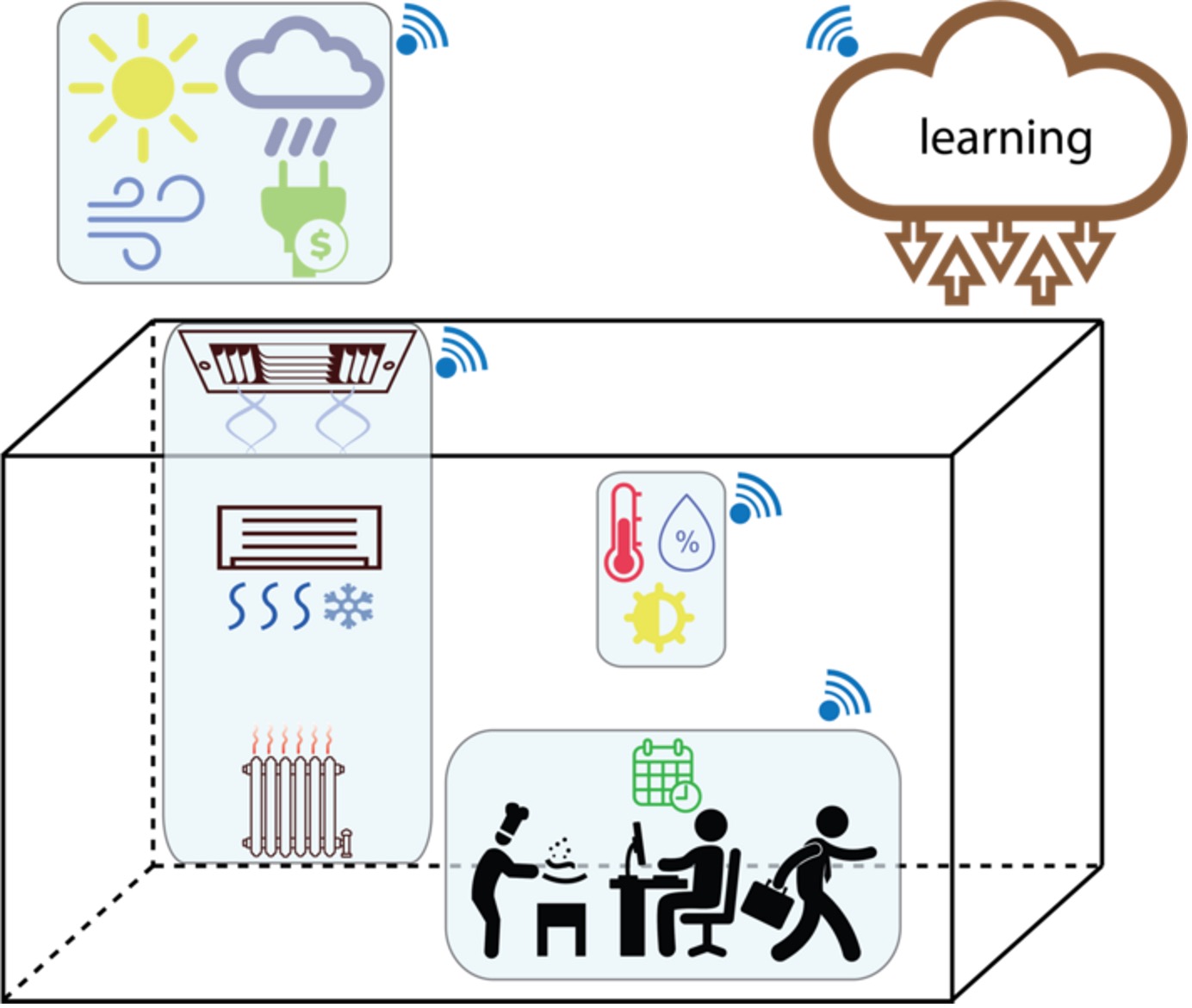
We are recruiting 60 participants across three groups: climate professionals, environmentally engaged citizens, and a control group shown only a general goal with no visualization. Each participant logs energy, food, and transport habits in a lightweight mobile app for under 3 minutes a day.
The app automatically estimates each person's carbon footprint and reflects it back in relatable terms — for example, “today you saved the equivalent of 0.3 trees.” Participants set a weekly carbon budget and review results every Sunday. The 4-month program runs in two learning cycles, so what we learn in the first two months directly shapes the intervention design for the second two.
|
Metric |
What We're Measuring |
|
Psychological ownership score |
Weekly self-report across cognitive, behavioral, and social dimensions |
|
Behavior change rate |
Monthly carbon reduction vs. baseline, compared across all three groups |
|
Avoidance-response threshold |
Correlation between dissonance intensity and disengagement, to find the tipping point where intervention backfires |
Whatever the outcome, we will extract three concrete design principles for carbon-visualization programs and submit them as a formal feedback proposal to Korea's national carbon-neutrality incentive program — with school curricula and carbon-labeling policy as the next targets.
We are a five-person team spanning behavioral research, app development, and environmental education, united by one belief: the climate gap between knowing and doing can be closed by design, not just willpower.
|
Use of Funds |
Allocation |
Amount |
|
Participant rewards (60 people, 4 months) |
30% |
$1,800 |
|
Behavioral science & environmental psychology consultation |
26% |
$1,560 |
|
Operations (5-person team, 4 months) |
20% |
$1,200 |
|
App infrastructure & data analysis tools |
16% |
$960 |
|
Contingency reserve |
8% |
$480 |
Back the Visible Carbon Project and help us prove that the missing piece in climate action isn't more information — it's the feeling that your choices matter. Every contribution funds real experimental infrastructure: participant rewards, expert consultation, and the data tools needed to turn this into evidence policymakers can act on.
Funding Period: June 1, 2026 – August 31, 2026